Uncategorized
from the Hakai Institute
Ocean Heroes Series #1 Bull Kelp
Please scan the QR code to view flipbook larger

Unchecked populations of purple sea urchins are devouring California’s iconic kelp forests, but pioneering scientists are working to put the ecosystem back in balance.
Effects of Ocean Warming across the Life Cycle of Bull Kelp
Chasing Kelp: a Webinar
Alaskan Mariculture
Spotlight on OCEANOVATION
Check this company out. Their goal is to “create a healthy and resilient ocean for future generations”. They are doing this by bringing companies together who are creating innovative solutions for keeping our oceans healthy and sustainable. They have a cool podcast, and an upcoming festival in the Netherlands.
Happy Planet Podcast
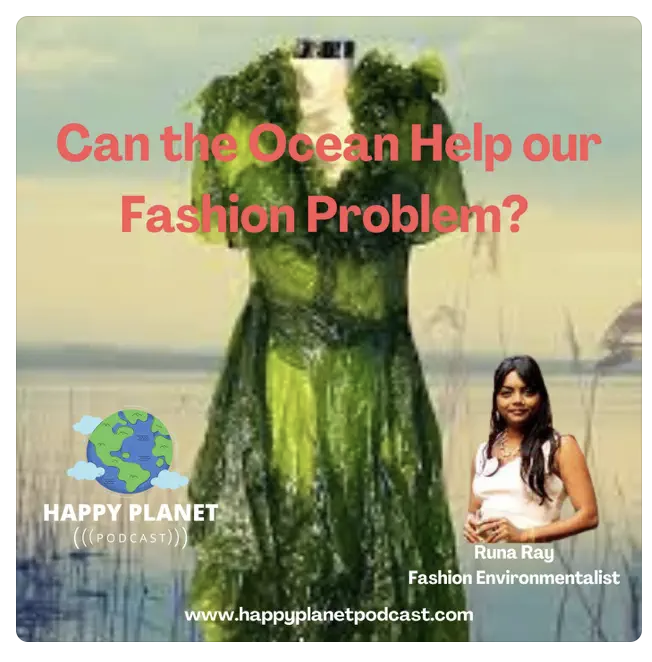
Happy Planet is a podcast that focuses on ‘Impact Economy’. Host Abigail Carrol, knownas Maine’s Oyster Lady, thinks “innovation, entrepreneurship and investment can make the planet happpier and healthier”.
Check out their latest episodes featuring interesting guests such as Runa Ray, a Fashion Environmentalist working with groups such as the United Nations to promote slow and sustainable fashion practices. From working at couture fashions houses John Galliano and Dior, Runa is creating more sustainable fashion using renewable resources such as seaweed!
Kelp shown to reduce coastal pollution in Alaska
from the Fish Site:
https://thefishsite.com/articles/kelp-shown-to-reduce-coastal-pollution-in-alaska
20 January 2023, at 6:13am
The water-filtering abilities of farmed kelp could help reduce marine pollution in coastal areas, according to a new study led by the University of Alaska Fairbanks.
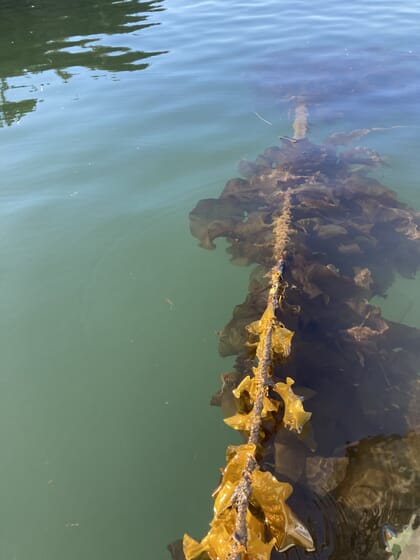
The paper, published in the January issue of Aquaculture, analysed carbon and nitrogen levels at two mixed-species kelp farms in southcentral and southeast Alaska during the 2020-21 growing season. Tissue and seawater samples showed that seaweed species may have different capabilities to remove nutrients from their surroundings.
“Some seaweeds are literally like sponges — they suck and suck and never saturate,” said Schery Umanzor, an assistant professor at UAF’s College of Fisheries and Ocean Sciences and the lead author of the study, in a press release.
“Although carbon and carbon sequestration by kelp received most of the attention, kelp is actually much better at mitigating excessive amounts of nitrogen than carbon,” Umanzor added. “I think that’s a story that’s really underlooked.”
Nitrogen pollution is caused in coastal areas by factors such as urban sewage, domestic water runoff or fisheries waste disposal. It can lead to a variety of potential threats in marine environments, including toxic algae blooms, higher bacterial activity and depleted oxygen levels. Kelp grown in polluted waters shouldn’t be used for food but could still be a promising tool for cleaning such areas.
Kelp farming is an emerging industry in Alaska, touted to improve food security and create new job opportunities. It’s also been considered as a global-scale method for storing carbon, which could be a way to reduce levels of atmospheric carbon that contribute to climate change.
Analysis of kelp tissue samples from the farms determined that ribbon kelp was more effective than sugar kelp at absorbing both nitrogen and carbon, although that difference was somewhat offset by the higher density of farmed sugar kelp forests.
Umanzor cautioned that the study was limited to two sites during a single growing season. She is currently processing a larger collection of samples collected from six Alaska kelp farms for the subsequent season.
“Maybe it’s a function of species, maybe it’s the site, maybe it’s the type of carbon and nitrogen out there. There’s a lot to know in a follow-up study,” she concluded.
 Kelptastic Farms